Best Lakeside Campsites for a Weekend Fishing Trip
When planning a weekend getaway that combines the tranquility of nature with the thrill of angling, lakeside campsites offer an ideal setting. These locations provide direct access to water, making them perfect for fishing, kayaking, and simply unwinding by the shore. The selection of a suitable site involves considering factors such as fish species, water conditions, available amenities, and the overall atmosphere. This article explores several notable lakeside campsites across the United States, offering insights into what makes each unique and practical advice for preparing your trip.
Beyond the basic appeal of waterfront living, a well-chosen lakeside campsite can significantly enhance your outdoor experience. Proximity to water reduces the need for long hikes with heavy gear and allows for spontaneous fishing sessions at dawn or dusk. Moreover, many such sites provide boat ramps or kayak launches, facilitating easy access to deeper waters where fish often congregate. Understanding the local ecosystem and seasonal patterns can also improve your chances of a rewarding angling experience. With careful planning and the right equipment, a weekend by the lake can become a cherished memory.
Key Considerations for Selecting a Lakeside Campsite
Choosing the right lakeside campsite involves more than just picking a spot with a pretty view. Several factors should influence your decision to ensure a safe and enjoyable trip. First, consider the type of fishing you intend to pursue. Some lakes are renowned for bass, others for trout or panfish, and this will dictate the best time of year and the techniques you might employ. For instance, if you’re targeting trout, you may need to seek out deeper, cooler waters, whereas bass are often found near submerged structures or vegetation.
Another critical aspect is the availability of amenities. While some campers prefer rustic, primitive sites, others may appreciate access to restrooms, picnic tables, and fire rings. Additionally, check whether the campsite offers boat rentals or has a well-maintained launch area. This can be particularly important if you plan to bring your own watercraft or if you want to explore different parts of the lake without having to portage your kayak. Locations that provide floating docks or piers can also be advantageous for shore-based fishing, especially for families with children or those who prefer not to be on the water.
Local regulations and permits are also worth investigating. Many state parks require entry fees or fishing licenses, and some have specific rules about boat motor sizes or quiet hours. By reviewing these beforehand, you can avoid unexpected surprises upon arrival. Finally, consider the overall ambiance of the area. If you’re seeking solitude, a remote site with limited access might be preferable, whereas those who enjoy social interactions might opt for a larger, more developed campground. Balancing these priorities will lead you to the perfect spot for your needs.
Top Lakeside Campsites for Anglers and Kayakers
Several lakeside campsites across the United States stand out for their excellent fishing opportunities and scenic beauty. Here are a few noteworthy options to consider for your next weekend expedition.
Lake Ouachita, Arkansas
Lake Ouachita, nestled in the Ouachita National Forest, is famous for its crystal-clear waters and abundant bass and crappie populations. The lake is surrounded by the Ouachita Mountains, providing a stunning backdrop for camping. Visitors can choose from numerous campsites managed by the Army Corps of Engineers, many of which offer direct water access and boat ramps. Kayaking enthusiasts will appreciate the calm coves and the chance to explore secluded shorelines. The lake’s underwater terrain, marked by numerous islands and channels, creates ideal habitats for fish, making it a favorite among local anglers.
When planning a trip to Lake Ouachita, consider the season. Spring and fall typically offer the best fishing, as the water temperatures are moderate and fish are more active. The local ranger station can provide up-to-date information on fishing conditions and any advisories. Additionally, be sure to bring appropriate gear, including a variety of lures and bait, as the lake’s diverse fish species may require different approaches. For those new to the area, guided fishing trips are available and can provide invaluable knowledge about the lake’s hotspots.
Lake Tahoe, California/Nevada
Lake Tahoe, straddling the border between California and Nevada, is renowned for its deep blue waters and the impressive surrounding mountains. While it is a popular tourist destination, there are still opportunities for a peaceful camping experience. Campgrounds like those at Emerald Bay State Park or D.L. Bliss State Park offer stunning views and access to hiking trails. The lake itself is known for its trout and salmon populations, attracting anglers from all over the country. Fishing from a kayak or boat is a popular method here, as the deeper waters are where these fish often dwell.
Because Lake Tahoe is at a high altitude, the weather can change rapidly, and water temperatures remain cool even in summer. Therefore, it is essential to pack layers and ensure your gear is suitable for colder conditions. Additionally, the lake is subject to strict environmental regulations to protect its clarity and ecosystem. This may involve using non-motorized watercraft or adhering to specific fishing seasons. Checking the local regulations is crucial to ensure compliance and to enjoy a responsible visit to this natural wonder.
Lake Jocassee, South Carolina
Lake Jocassee, tucked away in the mountains of South Carolina, is a lesser-known gem that offers a pristine environment for camping and fishing. This reservoir is characterized by its deep, clear waters and numerous coves, providing excellent opportunities for both shore and boat fishing. The lake is home to several species, including trout, bass, and carp, which make it a diverse spot for anglers. Camping options include both developed campgrounds with basic facilities and more remote sites accessible only by boat, catering to those seeking adventure.
The surrounding landscape is lush with waterfalls and forests, making it a haven for nature lovers. Kayaking here is particularly rewarding, as you can paddle between islands and discover hidden waterfalls only visible from the water. Because the lake is less crowded than larger tourist destinations, it offers a sense of solitude that many seek. As with any location, it is wise to prepare for changing weather and to pack all necessary supplies, as the nearest town may be a significant distance away. Local outfitters can provide rental kayaks and fishing gear, as well as advice on the most productive areas.
Essential Gear for a Fishing Kayak Camping Trip
Having the right gear is fundamental to a successful weekend at a lakeside campsite. The combination of fishing, kayaking, and camping requires careful planning to ensure comfort and safety. Here is a list of essential items to consider packing.
- Fishing rod and tackle box with a variety of lures and hooks suited for the fish species in the lake.
- Personal flotation device (PFD) for each person, especially when kayaking or boating.
- Kayak paddle and a spare, if possible, or a repair kit.
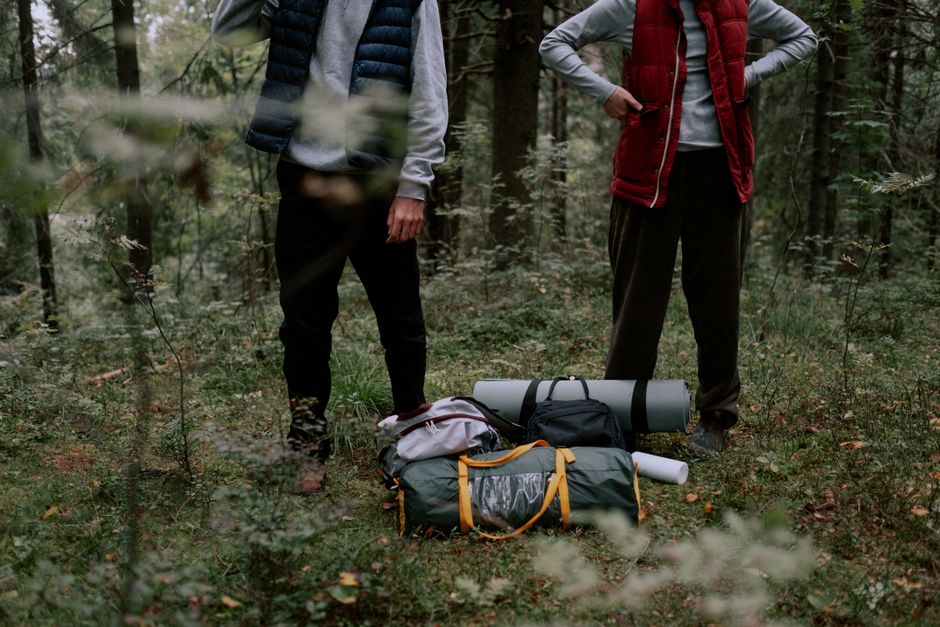
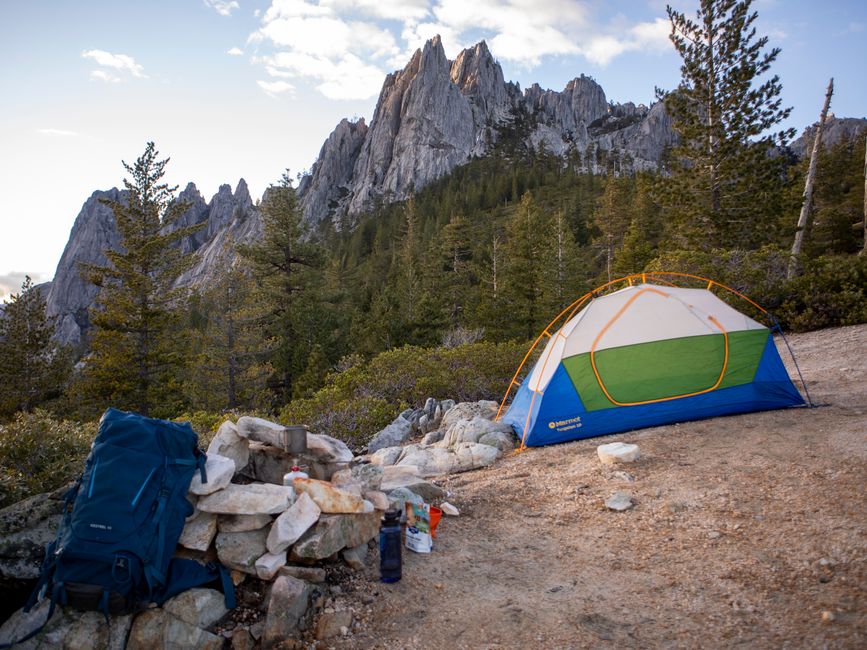
- Camping tent, sleeping bag, and sleeping pad for a comfortable night’s rest.
- Cooking equipment such as a portable stove, fuel, and lightweight cookware.
- Cooler with plenty of water and food that can be easily prepared.
- First aid kit and sunscreen.
- Navigation tools like a map, compass, or GPS device.
- Headlamp or flashlight with extra batteries.
In addition to these basics, consider bringing specific items that enhance your experience. For example, a waterproof camera can capture memories without the worry of water damage. A fishing net and a measuring tape are useful for practicing catch and release properly. If you plan to fish from the shore, a comfortable camp chair and a rod holder can make long waits more enjoyable. Furthermore, always have a dry bag to protect electronics and clothing from splashes or rain.
Packing efficiently is also important, as space in a kayak is limited. Use compression sacks to reduce the volume of clothing and sleeping bags. Distribute weight evenly across the kayak to maintain stability. Practicing loading and unloading your kayak before the trip can save time and effort at the launch site. Remember to check the weather forecast and adjust your gear accordingly. By being prepared, you can focus on relaxing and enjoying your time on the water.
Local Tips for a Rewarding Lakeside Experience
Maximizing your enjoyment at a lakeside campsite often comes down to leveraging local knowledge. Talking to park rangers, local anglers, and residents can provide insights that are not commonly found in guidebooks. For instance, they may point out specific spots where fish are actively feeding or warn you about areas with strong currents or underwater hazards. Learning about the lake’s underwater structure can help you choose the most productive fishing locations.
Another tip is to respect the natural environment. Practice Leave No Trace principles by disposing of waste properly, minimizing campfire impacts, and avoiding the disturbance of wildlife. This ensures that the lake remains pristine for future visitors. Additionally, many lakes have specific regulations to protect fish populations, such as size limits or catch quotas. Abiding by these rules helps sustain the ecosystem and ensures that fishing opportunities continue for years to come.
Consider the timing of your fishing trips. Early morning and late evening are often the most productive times, as fish are more active during cooler hours. This also means you can enjoy the lake’s calm beauty without the crowds. Planning your kayak excursions around these times can be both practical and rewarding. Lastly, being flexible with your plans is beneficial. Weather conditions can change unexpectedly, and having alternative activities, such as hiking or wildlife viewing, can enhance your trip even if fishing is not ideal.
CampScout offers a range of resources to help you plan your lakeside adventure, including campsite reviews, gear recommendations, and interactive maps. Whether you are a seasoned angler or a first-time camper, these tools can assist in making informed decisions and ensuring a memorable experience.